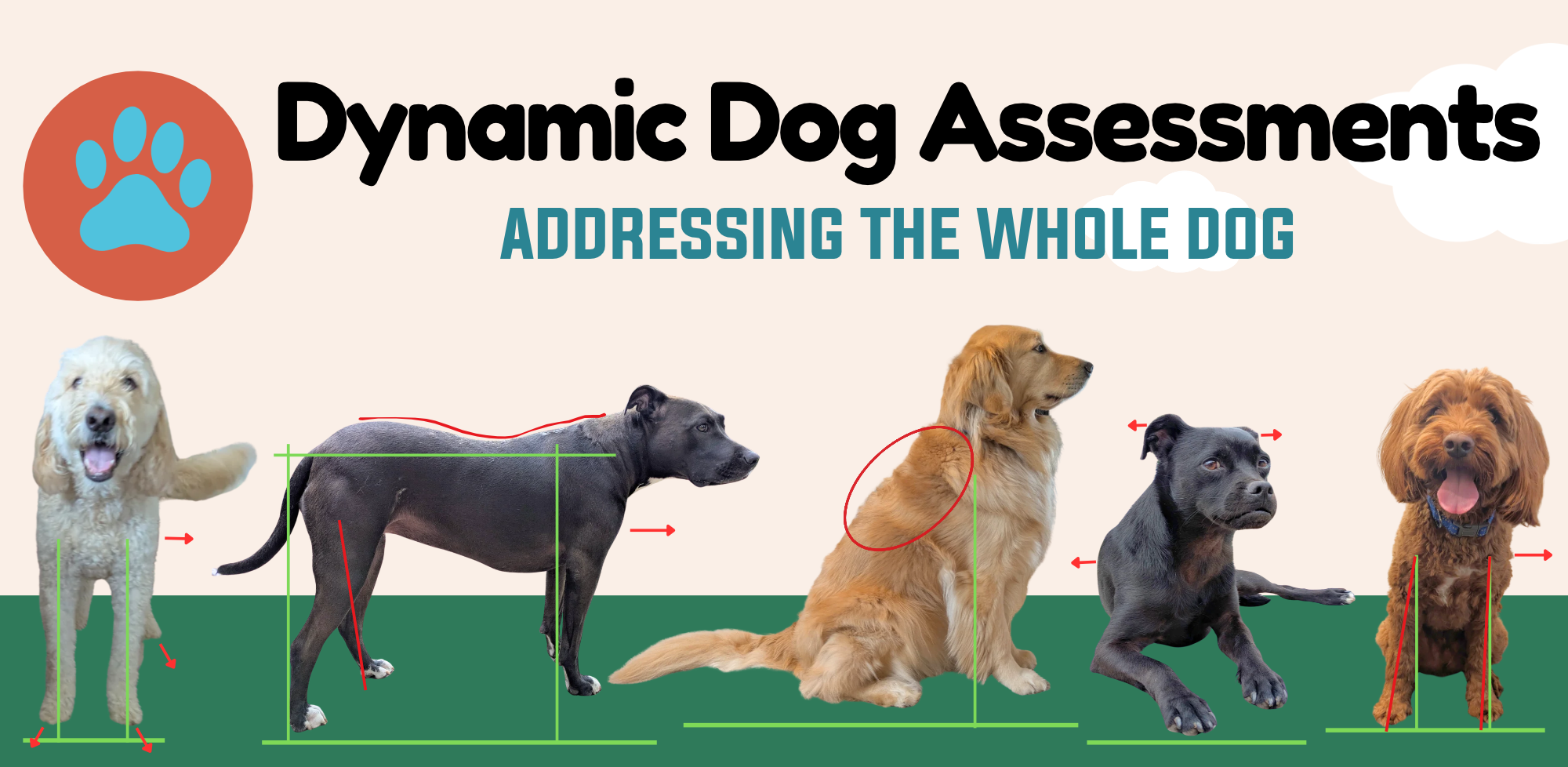
Our dog’s physical health can affect their ability to process information and cope with stress. Think: when you have a headache, are you handling additional stressors with ease? We know we’re not! A comprehensive study has shown that a majority - up to 80%! - of dogs presenting with behavioral struggles have some levels of discomfort that plays a role in or directly causes the behavior (Mills et al., 2020).
Our pets are masters at masking their discomfort, especially at the vet’s office, leaving the vet to be unable to witness potential stance or gait compensations during their short appointments. Dynamic Dog serves to help bridge the gap between how a dog handles themselves at home (both physically and behaviorally) and the vet’s ability to more thoroughly and accurately assess the dog.
Let’s unlock that missing puzzle piece together. Since this can be done fully virtually, we can meet with anyone, anywhere!
Unlocking the link between Physical discomfort and behavior!
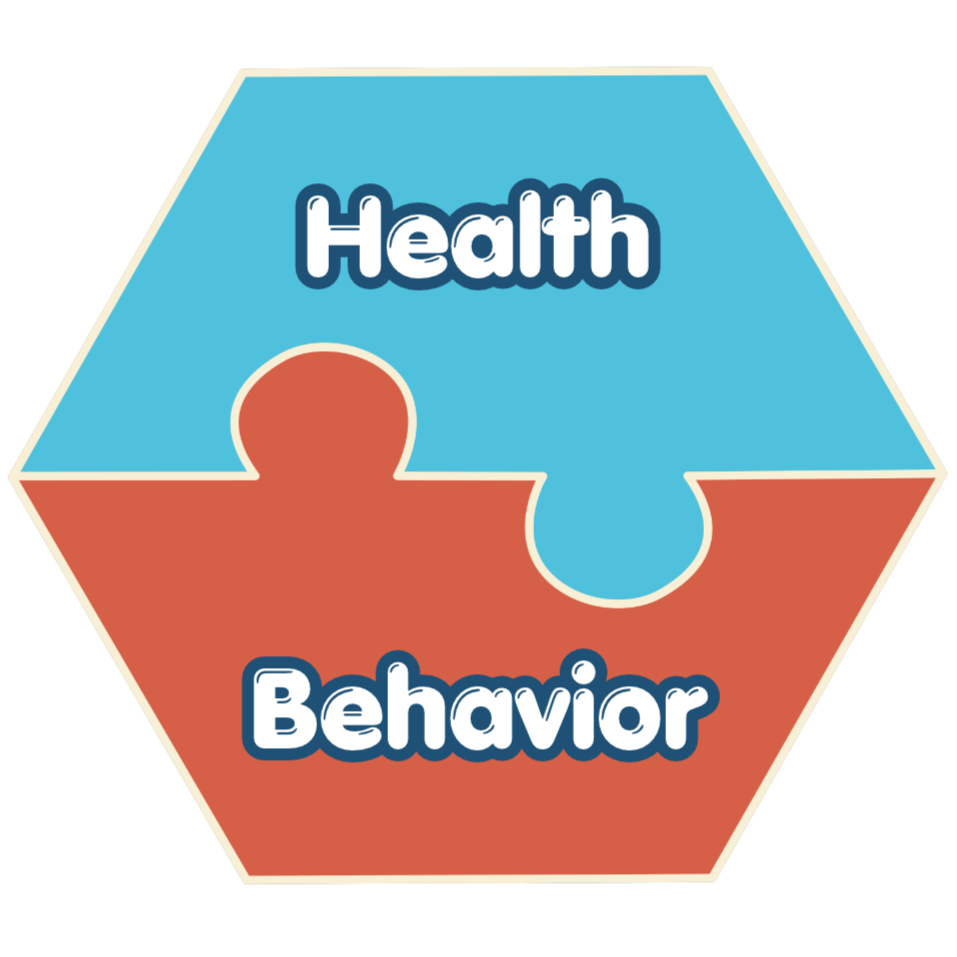
We humans often have a basic understanding of our discomfort. Let’s revisit the headache analogy: when you have a headache and you hear kids playing loudly nearby, you tense your body and your headache intensifies. We know the increase in discomfort was not the kids’ fault; the kids were just being kids. But if a dog is experiencing underlying discomfort somewhere in their body and the loudly playing kids cause them to tense, they may make the connection of: when kids are present, it causes me more discomfort.
What happens during a dynamic dog assessment?
You will work with our Dynamic Dog licensed practitioner, Sarah! Dynamic Dog assessments are functional analyses of comprehensive evaluations of your dog’s conformation, posture, and movement to help identify potential areas of discomfort. This analysis can help guide you and your veterinarian through further investigation. It follows 4 steps:
Deep Dive: A 60-90 minute virtual Zoom call where we explore all aspects of your dog’s life from health, lifestyle, and behaviors.
Data Collection: You will collect a plethora of pictures and videos of your dog, exploring your dog’s posture from all angles, gait, and daily living. You will receive specific instructions on how to gather this data to ensure that it can be accurately assessed. It can take 2-4 weeks to collect all the data.
If certain aspects are difficult to gather and you are in or can meet within our service range of 20 miles from downtown Middleton, WI, we can meet to collect some of this data together!
Analysis & Report: Sarah thoroughly assesses ALL the data you collected. Then, a report of the findings with evidence is created for you and your veterinary team for further investigation. We do NOT diagnose any condition - the report outlines the observations for your vet to then proceed with.
Review & Support: Dynamic Dog reports are written in veterinary jargon, so Sarah will set up a 30-60 minute virtual Zoom call to discuss the findings and create a plan to help your pup moving forward! This can include suggestions for at home adjustments and liaising with your veterinarian.
You have options!
This service can be:
In conjunction with our private training for behavior modification. While addressing discomfort can help alleviate some behaviors, dogs may have created new behavior patterns and habits to cope with their world. As a behavior consultant, Sarah would then work with you on the WHOLE picture. We would be working with you and your vet to address discomfort and working together on a behavior modification plan.
Standalone. Maybe you are just wanting to explore hidden discomfort in your dog, and you want to gather data now and sort things out with your vet before addressing behavior modification. Or perhaps you are already working with a trainer or behavior consultant and want to help boost that training’s success with a Dynamic Dog assessment. We are happy to help!
Investment
The Dynamic Dog Assessment is $350.
Personal Experience:
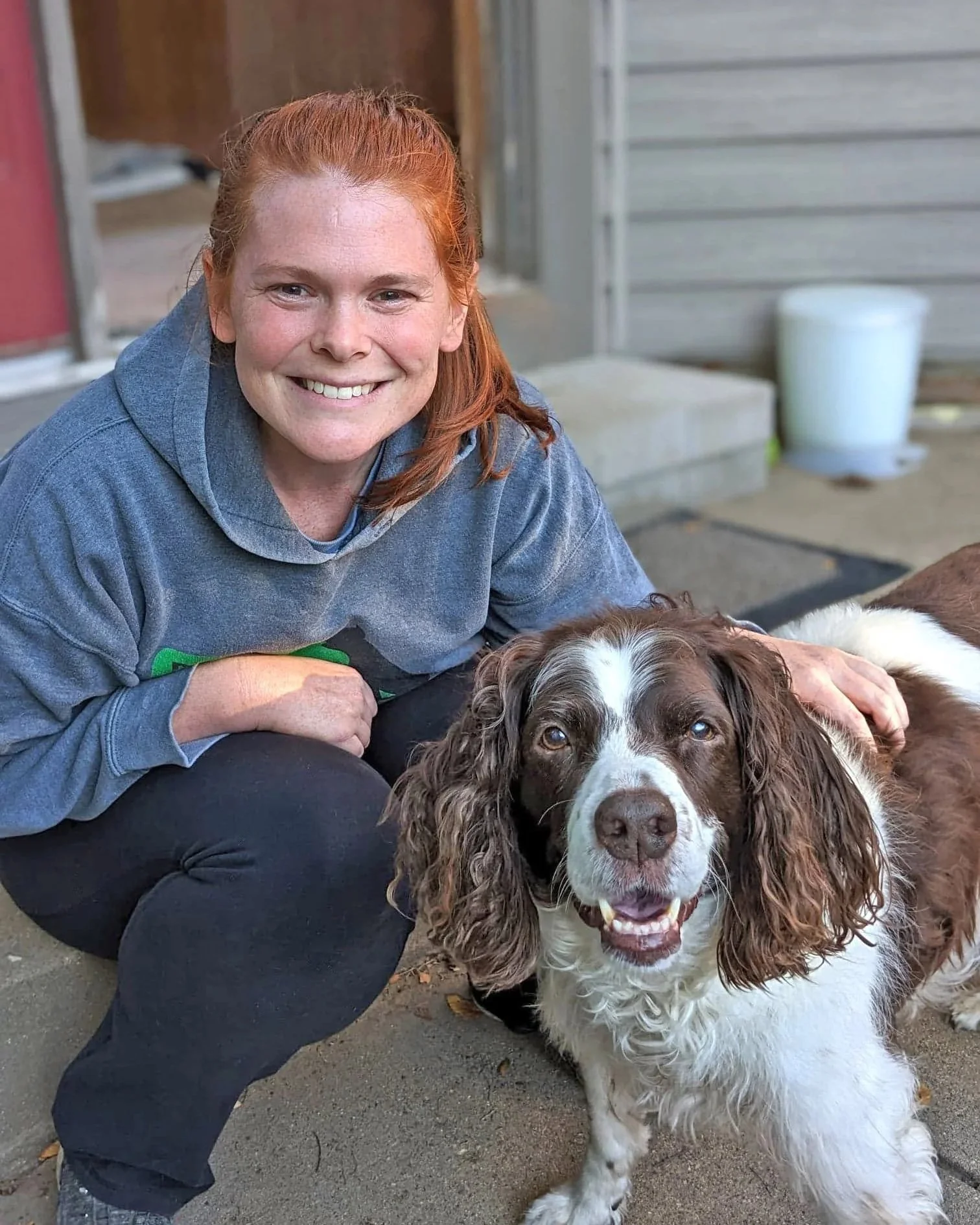
When my dog, Echo, turned 7 years old, she started barking at some dogs when on leash. At first just to a couple of dogs, and then it snowballed quickly. Even as someone who works with these sensitivities in dogs regularly, I was surprised at Echo’s change in behavior. She had never wanted to be buddies with other dogs, but she didn’t dislike them. I started a behavioral modification program with her promptly. She checked out well at the vet during her exams and was overall a healthy gal. A handful of months later, Echo started limping on one leg periodically. And soon after, the other. Further investigating was done, and vets discovered she had bilateral hip dysplasia. Even through her stretching exercises, we were surprised at her range of motion; so it is not surprising that her hind end discomfort was missed at first. Her first sign of discomfort was behavior change. Even with behavioral modification on board, I could not have trained out her physical discomfort. Using behavioral training, pain management, massage, and physical therapy, Echo became a lot more predictable in her behaviors on leash towards other dogs!

Pups pictured: Lexy, Delta Dawn, Teddy, Grizzly, & Simba


